Is technology helping or hindering your sleep?
Technology has transformed the way we monitor our health. From smart watches and rings that track our sleep to apps that monitor our habits, wearable technology is no longer just for athletes or tech enthusiasts. More and more people are using it to better understand how their lifestyle affects the way they feel.
When used well, technology can be a powerful tool. But when we become overly focused on the numbers, it can sometimes do more harm than good.
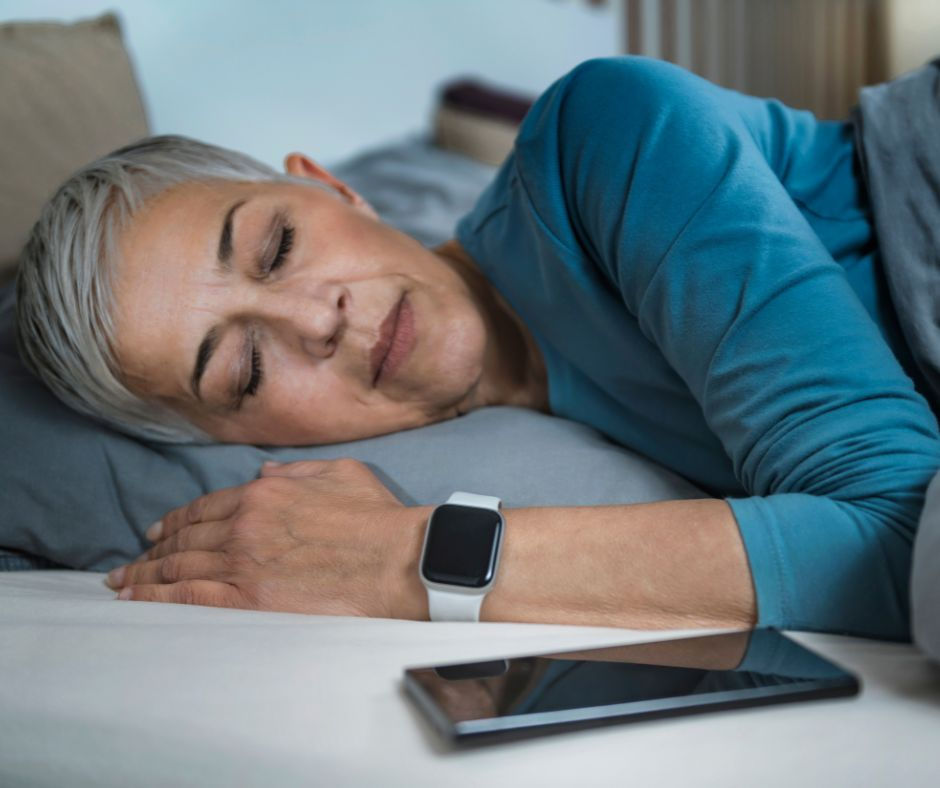
When data can be helpful
One of the biggest benefits of wearable technology is that it turns vague feelings into useful insights.
Perhaps you've suspected that late-night emails leave you feeling tired the next day, or that an evening walk helps you sleep more soundly. Seeing those patterns reflected in your sleep data can provide the motivation to make or maintain small, meaningful changes.
Most wearable devices, including the Apple Watch, Fitbit, Garmin and Oura Ring, now include sleep tracking. They estimate how long you sleep and how much time you spend in different stages of sleep. If you don't wear a device, apps such as Sleep Cycle or Pillow can also provide useful information using your phone.
The important thing is not to become fixated on one poor night's sleep. Instead, look for patterns over a week or two. Try making one small change at a time and see what happens. You might want to try putting your phone away earlier, eating dinner a little sooner or keeping your bedroom cooler and monitor whether your sleep begins to improve.
Ultimately, the way you feel is more important than the numbers on a screen.
When technology gets in the way
Ironically, some of the same technology that's helping us monitor our sleep may also be preventing it.
Many of us spend the last part of the evening scrolling through social media, replying to emails or watching videos. Not only does the blue light from screens affect our natural sleep-wake cycle, but the constant stimulation can make it much harder for our brains to switch off.
It's one of the reasons the idea of a "screen detox" has become so popular.
That doesn't have to mean throwing your phone away. It might simply mean introducing one small boundary that works for you.
Perhaps you decide there are no phones in the bedroom, no screens after 10 pm, or you swap social media for a book or an audiobook before bed. If you enjoy using technology, you could even use apps that limit screen time in the evening or automatically reduce blue light. Alternatively you could try some ‘blue-light’ blocking glasses.
Creating an environment that gives your brain permission to unwind can be super-helpful in supporting sleep.
Sleep support beyond the tech
When I work with clients experiencing poor sleep, we don't focus solely on what happens at bedtime.
Sleep is influenced by what happens throughout the entire day. Stress levels, blood sugar balance, caffeine, alcohol, nutrition, movement, light exposure and your evening routine all play a role.
Sometimes wearable technology can help us identify those patterns more quickly. Sometimes the tech doesn’t live up to it’s claims and accuracy can be an issue. Quite commonly I see that tech simply adds more unnecessary pressure. The worry about not sleeping can already be anxiety-provoking enough, without worrying about the specific numbers.
Together, we'll look at what's really driving your sleep difficulties and create a personalised plan that fits your lifestyle. Often it's the small, consistent changes over time that have the greatest impact.
Better sleep isn't about chasing perfect scores on an app. It's about waking up feeling refreshed, energised and ready to enjoy your day.
If you're struggling with your sleep and would like support to understand what's keeping you awake, I'd love to help. Together, we can uncover the root causes and create a realistic plan to help you sleep better naturally.
Download my Top 8 tips for a better night’s sleep below.
About the author: Michelle Paterson is a Registered Nutritional Therapist, Health Coach and founder of Transition Nutrition. She helps purpose-driven people to upgrade their energy, mood, sleep and gut health by fixing the root causes, so that they feel happier and find the freedom to live a life they love (rather than just existing).


Comments